
The Perfect Age for Orthodontic Care
The American Association of Orthodontists recommends that children have their first orthodontic evaluation by age 7. At this age, children have a mix of baby and permanent teeth, making it the ideal time to spot potential problems and guide healthy development.
Early orthodontic care doesn’t always mean immediate treatment. Instead, it’s about monitoring your child’s growth and intervening at precisely the right time to achieve the best possible results.
Guides proper jaw growth and development
Creates space for incoming permanent teeth
Corrects harmful habits like thumb sucking
Improves facial symmetry and profile
Builds confidence during crucial developmental years
We use a new, kid-friendly “mini” expanders that patients accept much more easily.

Common Issues We Treat in Children
Early detection and treatment of these common childhood orthodontic issues can prevent more complex problems later.
Crowding
When there isn’t enough space for permanent teeth to emerge properly
Spacing
Gaps between teeth that may affect function and appearance
Crossbites
When upper teeth bite inside lower teeth, affecting jaw development
Overbites
When upper front teeth stick out too far over lower teeth
Underbites
When lower teeth protrude past upper teeth
Harmful Habits
Thumb sucking, tongue thrusting, or mouth breathing patterns
Kid-Friendly Treatment Options
We offer gentle, effective treatments designed specifically for children’s growing smiles and active lifestyles.
Invisalign First
Clear Aligners for Mixed Dentition. Revolutionary clear aligners designed specifically for children with both baby and permanent teeth. Nearly invisible and comfortable for active kids.
- Virtually invisible treatment
- Removable for eating and sports
- Comfortable with no wires or brackets
- Designed for growing smiles
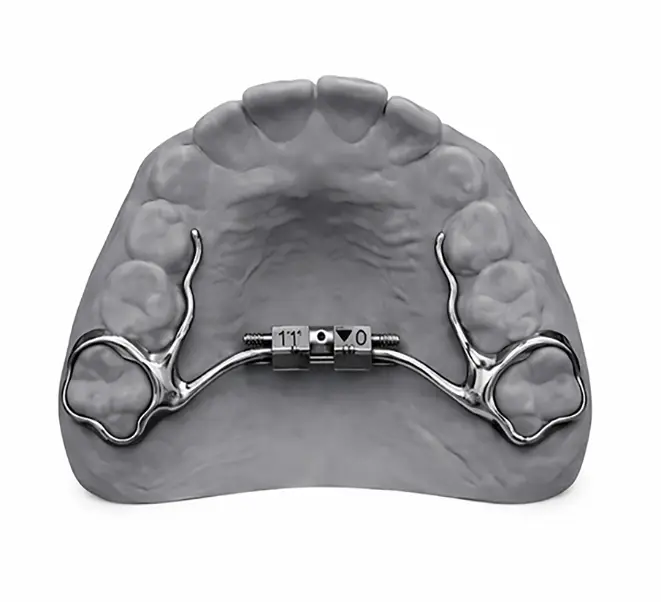
Traditional Palatal Expander
Traditional palatal expander therapy uses a fixed orthodontic appliance to gradually widen the upper jaw in growing patients. These expanders are securely attached to the back teeth and adjusted over time to guide proper jaw development. Fixed expanders are a proven, effective solution for correcting skeletal issues early and creating a healthier, more balanced bite. Our expanders are high-tech and fully 3D printed, which means no separators are needed. This helps reduce discomfort and cuts down on the number of appointments required.
- Corrected posterior crossbites
- Widens narrow upper jaws
- Creates space for crowded or impacted teeth
- Fixed in place for consistent, reliable result
- Effective for younger patients during growth phases
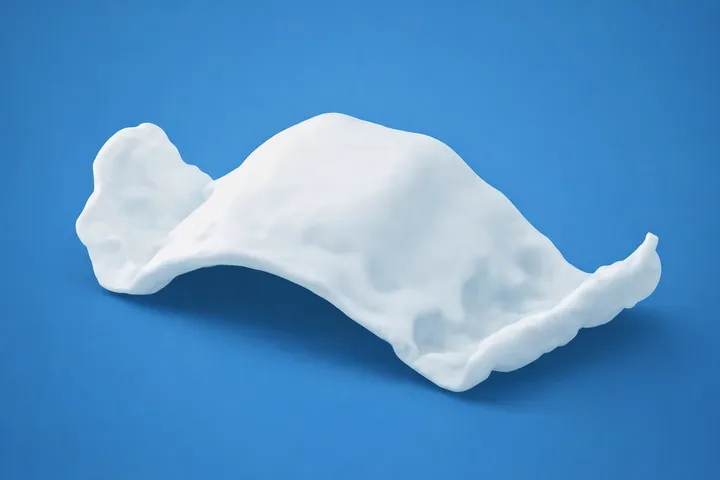
Invisalign Palatal Expander (IPE)
Invisalign Palatal Expander therapy. Innovative digital expanders created to gently widen arches in growing patients. Removable, precise, and discreet for predictable development and comfortable wear.
- Corrected posterior crossbites
- Creates space for crowded teeth
- Removable for easier hygiene
- Custom fit

Space Maintainers
Holding Space for Permanent Teeth
Custom appliances that hold space when baby teeth are lost early, ensuring permanent teeth have room to emerge properly.
- Prevents teeth from shifting
- Maintains proper spacing
- Reduces need for future extractions
- Comfortable and discrete
- No need for painful separators, as our space maintainers are 3D printed.
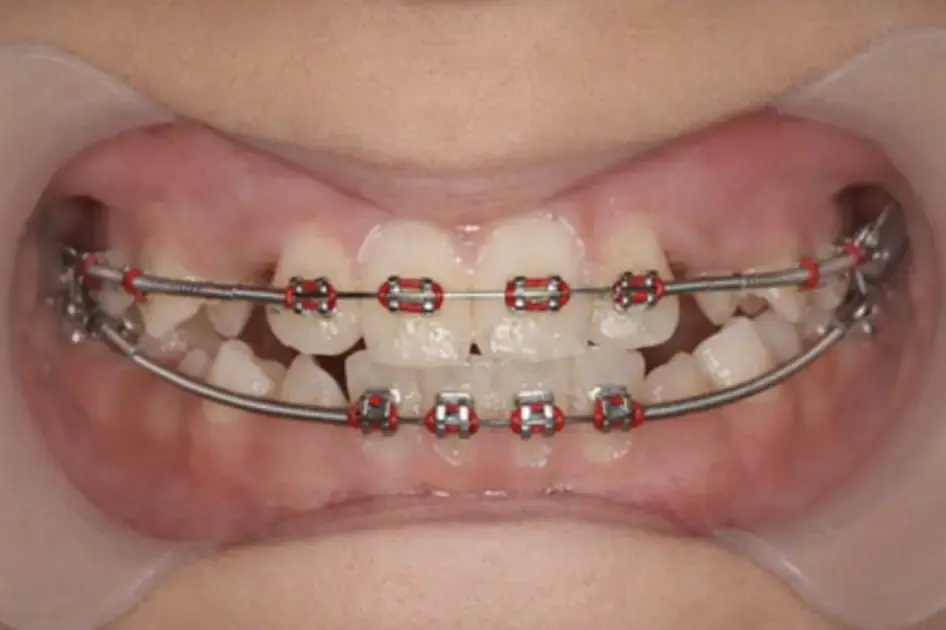
Partial Braces
Braces placed on select teeth rather than the full arch, targeting specific alignment issues while the rest of the smile is still developing.
Custom appliances that hold space when baby teeth are lost early, ensuring permanent teeth have room to emerge properly.
- Makes room for erupting adult teeth
- Corrects crossbites before they affect jaw development
- Reduces need for future extractions
- Aligns teeth for a healthier, more even smile
- Closes unwanted spaces between teeth
Habit Appliances
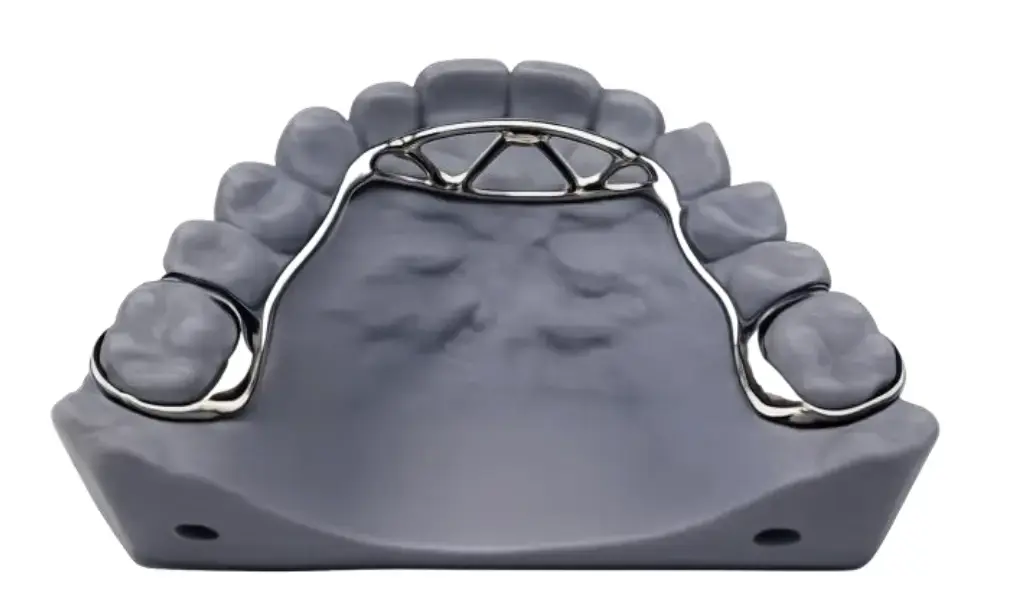
Fixed or removable appliances that gently discourage thumb sucking and tongue thrust before these habits have a chance to reshape the bite, the jaw, or the position of incoming permanent teeth.
Custom appliances that hold space when baby teeth are lost early, ensuring permanent teeth have room to emerge properly.
- Stops thumb sucking habits that push front teeth forward
- Retrains tongue position to prevent open bites caused by tongue thrust
- Protects bite development during the most critical growth years
- Aligns teeth for a healthier, more even smile
- Reduces the likelihood of more complex treatment later on
