
Orthognathic Surgery
A Transformative Solution for
Comfort, Confidence, and a Healthier Smile
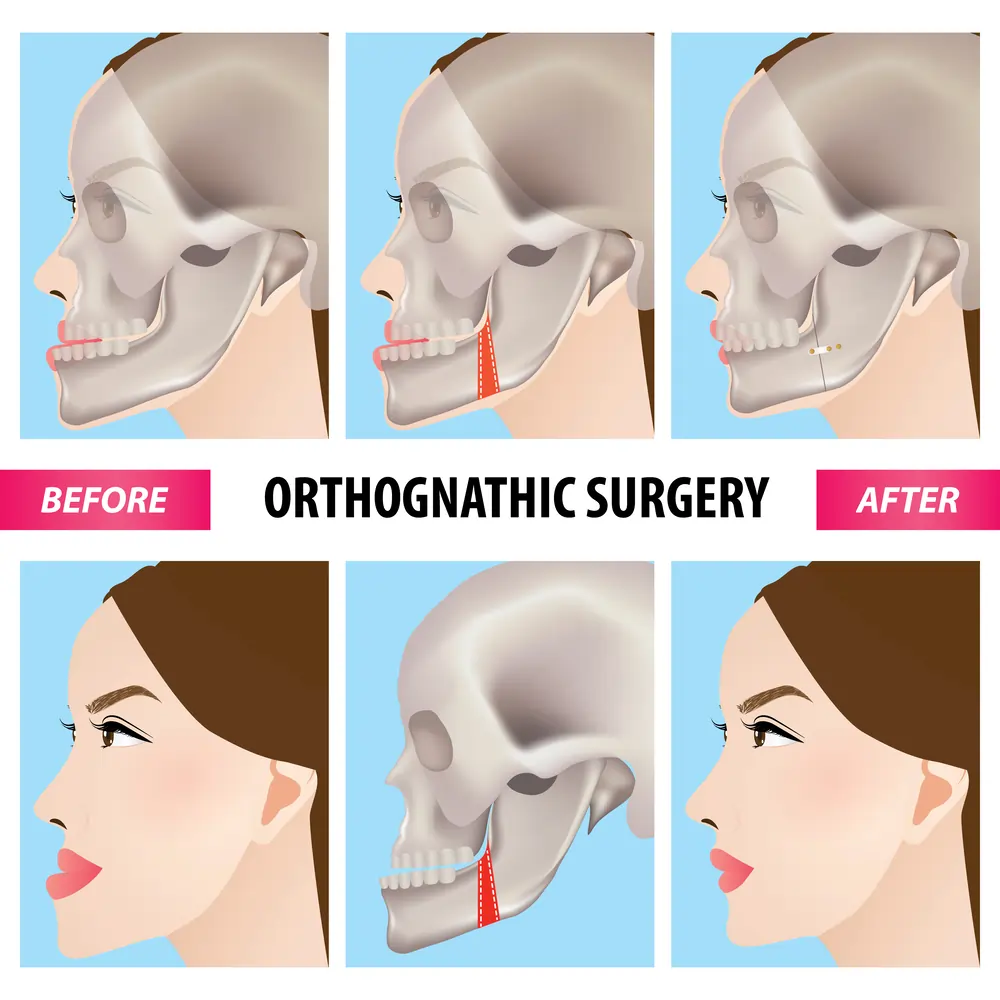
What is Orthognathic Surgery?
Orthognathic surgery, also known as corrective jaw surgery, is a specialized procedure that corrects severe jaw alignment problems that cannot be treated with orthodontics alone. This collaborative treatment between orthodontists and oral surgeons addresses both functional problems and facial aesthetics to dramatically improve quality of life.
Collaborative Approach
Expert coordination between orthodontists and oral surgeons for optimal treatment planning and results.
Functional Correction
Addresses serious bite problems, breathing issues, and jaw dysfunction that affect daily life.
Life-Changing Results
Dramatic improvements in function, appearance, and overall quality of life for qualified candidates.
Who Needs Orthognathic Surgery?
Orthognathic surgery is recommended for individuals who have significant jaw alignment issues that cannot be corrected with orthodontics alone. These problems may affect essential functions such as chewing, speaking, or breathing, and they can also contribute to chronic discomfort or facial imbalance.
Patients who experience difficulties related to their bite, jaw growth discrepancies, or airway obstruction may be candidates for this procedure. By addressing the underlying skeletal issues, orthognathic surgery can greatly improve function, overall health, and quality of life.
Severe Bite Problems
Significant overbite, underbite, crossbite, or open bite that can't be corrected with orthodontics alone
Common symptoms include:
- R Difficulty chewing or biting food
- R Problems with speech
- R Jaw pain or TMJ dysfunction
- R Excessive wear on teeth
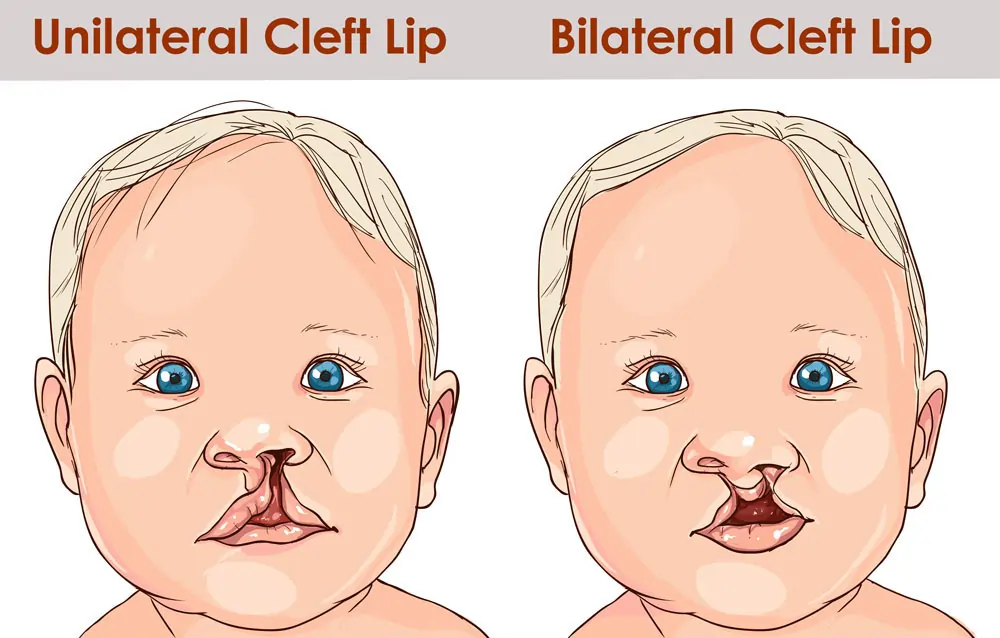
Developmental Issues
Congenital conditions or developmental problems affecting jaw growth and position
Common symptoms include:
- R Cleft lip and palate
- R Jaw growth discrepancies
- R Congenital deformities
- R Trauma-related jaw problems
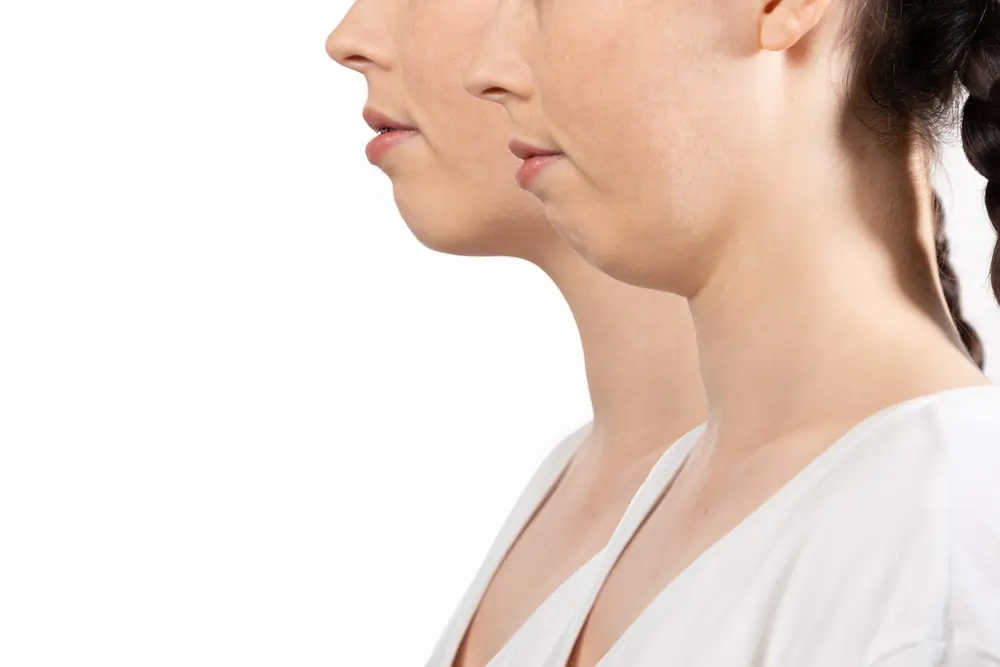
Facial Asymmetry
Significant imbalance in facial proportions that affects appearance and function
Common symptoms include:
- R Facial imbalance or asymmetry
- R Receding or protruding chin
- R Gummy smile or lip incompetence
- R Facial muscle strain
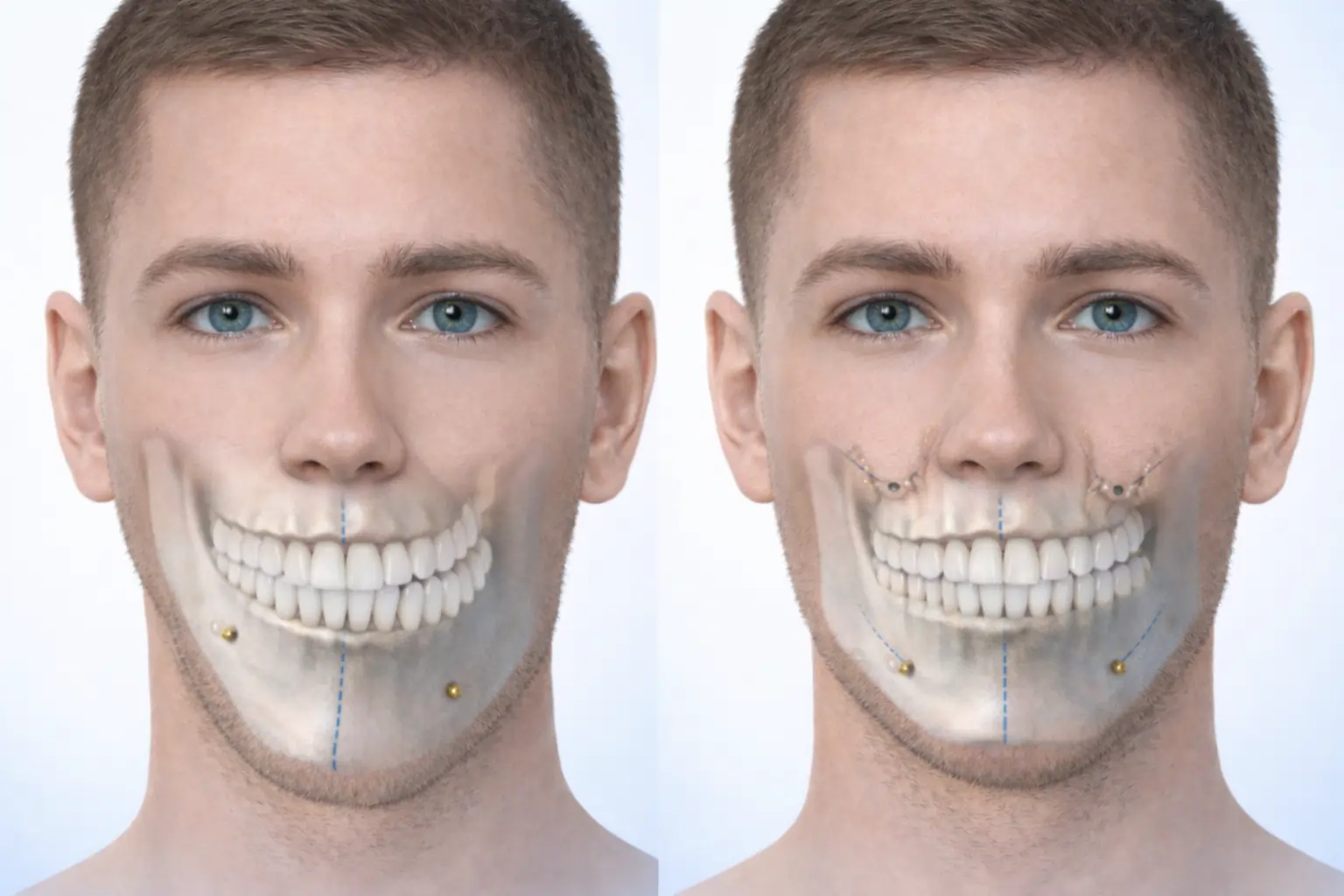
Functional Issues
Problems with basic oral functions that affect daily life and overall health
Common symptoms include:
- R Breathing difficulties
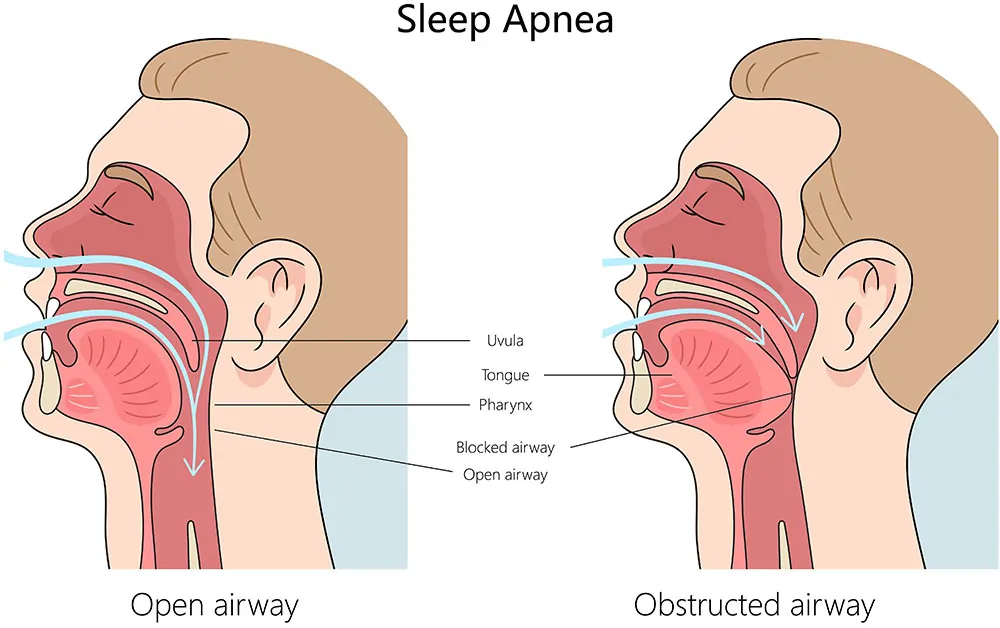
- R Sleep apnea or snoring
- R Chronic jaw fatigue
- R Difficulty swallowing
Frequently Asked Questions
Common questions about orthognathic surgery, answered by our experienced team.
Is orthognathic surgery covered by insurance?
Many insurance plans cover orthognathic surgery when it's medically necessary to correct functional problems. The surgeon you are working with will help you determine coverage and provide necessary documentation for pre-authorization.
How long is the recovery process?
Initial recovery takes 4-6 weeks, with most patients returning to work within 2-3 weeks. Complete healing and final results are typically achieved within 6-12 months, including post-surgical orthodontics.
Will I need to stay in the hospital?
Most orthognathic surgeries are outpatient procedures, meaning you go home the same day. In some complex cases, an overnight stay may be recommended for monitoring and comfort.
Will I have any scars after jaw surgery?
Most incisions performed during jaw surgery will be done inside your mouth, so there won’t be any visible scars. In some cases, a small incision will be needed in the jaw, but it’s usually less than 5 mm long and virtually unnoticeable.
Why do I need braces or Invisalign after surgery?
While surgery allows us to align the jaws appropriately, this does not imply that your teeth will naturally shift into their ideal position. That is where orthodontic appliances come in to help you align your teeth correctly.
When will I see the final results?
While improvement is noticeable immediately, final results become apparent as swelling resolves over 3-6 months. Complete results, including orthodontic finishing, are typically achieved within 12-18 months.